
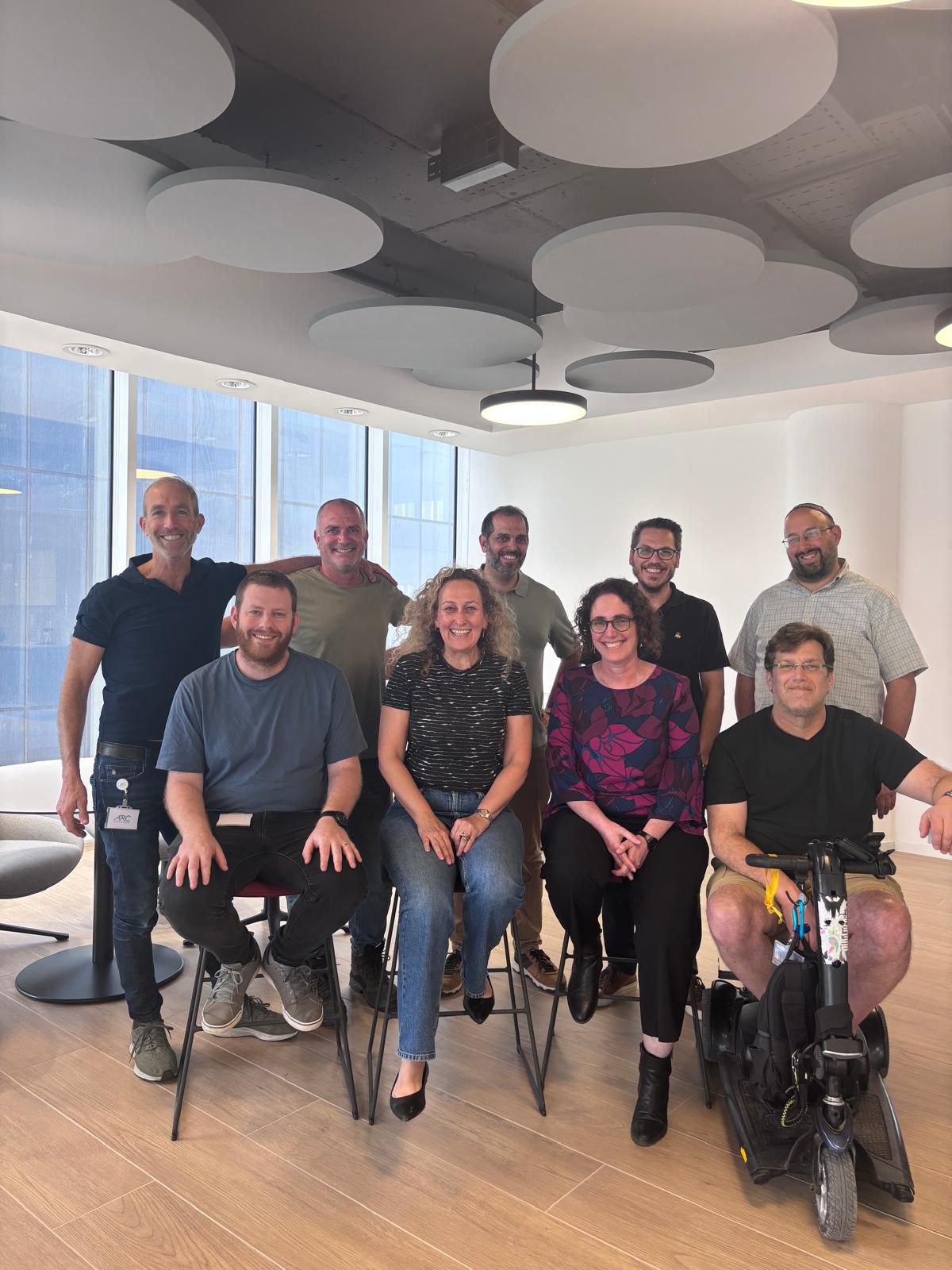
We started Nuri because watching people suffer is unbearable.
There’s a moment every psychiatrist, clinician, patient and caregiver knows well. You’ve tried everything. The therapy sessions. The meds. The emerging treatments that promise change, but leave people right where they started.
You’re sitting across from someone stuck in a loop they can’t escape, who desperately wants their life back, and all you can offer is the next best version of coping.
We’re scientists. Clinicians. Engineers. People who’ve spent decades decoding how emotion is encoded deep within the brain’s emotional circuitry. We understand what happens when that circuitry misfires.
Fear that hijacks the nervous system. The brain is stuck. Flashbacks feel more real than the present. In sleep. In silence. Entire lives quietly narrowed by past events that never let go.
For too long, the tools of psychiatry have focused on managing symptoms.
But we know something deeper: these disorders are circuit-level dysfunctions.
So we set out to build something new. A platform that reaches the core of emotional dysfunction.
A new kind of brain-computer interface, built for psychiatry
At Nuri, we’re pioneering the first Emotion Brain-Computer Interface (eBCI): a tiny implant that detects, decodes, and recalibrates trauma signals where they live.
We call it Deep Brain Recoding (DBR), closed-loop precision treatment that listens to fear circuits and guides the brain to unlearn them. Using a combination of targeted neurotraining and adaptive stimulation, we help restore emotional regulation at the source.
It’s not just symptom relief. It’s circuit-level change.
We’re starting with PTSD, because it’s one of the clearest, most urgent use cases.
But our mission is much bigger. Our platform is designed to address a wide range of treatment-resistant psychiatric conditions, from depression to anxiety to OCD and beyond.
Nuri is grounded in decades of foundational neuroscience and built on proprietary technology licensed from the Weizmann Institute.
We’re led by pioneers in neuropsychiatry, emotion science, neuromodulation, and medtech innovation. And we’re proud to be backed by mission-aligned partners like embARC Ventures, DeepFuture, and the Israel Innovation Authority.
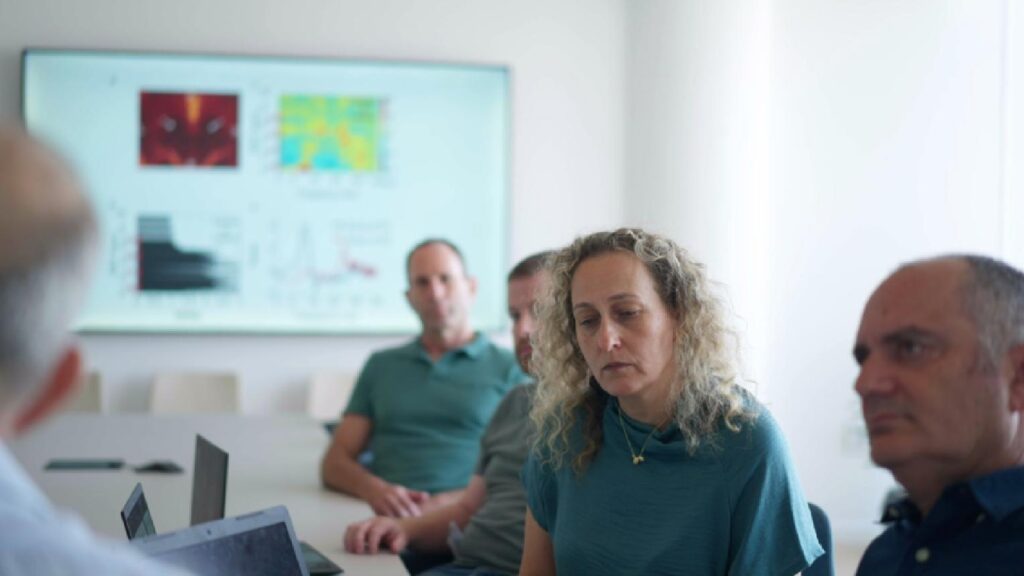
We didn’t build Nuri to manage trauma.
We built it to end it.
And It’s Personal
Everyone on our team has a reason they’re here. Some treated patients who ran out of options.
Others spent their careers unlocking how fear circuits function and proving, for the first time, that they can be rewritten.
Some saw loved ones suffer silently, surrounded by tools that weren’t built to help them.
We came together because we believe in one simple thing:
That even in the darkest corners of trauma, there’s a way forward, a path to healing.
It’s about the veteran who can’t sleep, the survivor who can’t breathe, the clinician who’s out of options, and the system that keeps telling them to wait.
We started Nuri because no one should be trapped in their own mind.
Because patients deserve more than coping. They deserve peace. Clarity. Control.
That’s why we started Nuri. And why we won’t stop until every patient has a way out.